Culture
History of Nail Art
From ancient pigments to the contemporary nail, color has always said something.
By Elena Gómez
Decorating nails is older than polish in a bottle. In different courts, color marked rank, ritual, or simply the taste of someone who could spend time on their hands. It was not a minor ornament: a dyed nail could be seen from a distance and belonged to a person’s public appearance.

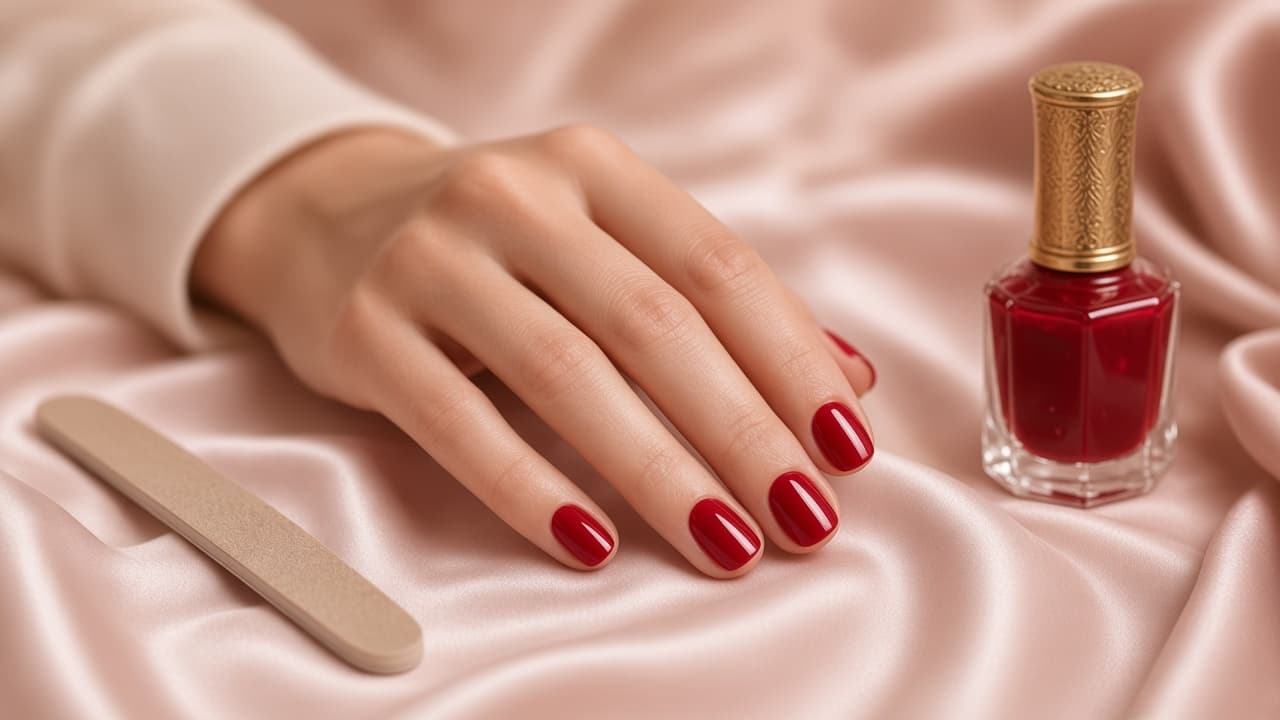
In ancient Egypt, henna and other pigments pushed nails toward red. Popular accounts link those shades with figures such as Nefertiti and Cleopatra, and although the exact recipe of each mixture has been lost, the idea remains: red was a color of presence. It was not chosen at random, and it was not hidden.
In ancient China, blends of wax, egg white, gelatins, and petals aimed at metallic sheens and tones that took hours to set. The process was slow and reserved for people who had attendants and time. That slowness explains why, for centuries, a decorated nail signaled leisure as much as beauty.
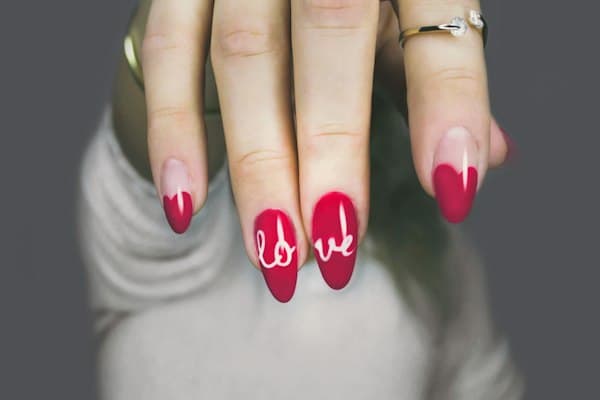
The twentieth century changed the scale. Industrial polish, the modern French manicure, and later gel took color from the court to the street. What once required a full day could be done in an hour. With that access came variety: the same person can wear a classic red on Monday and a small drawing on Friday.
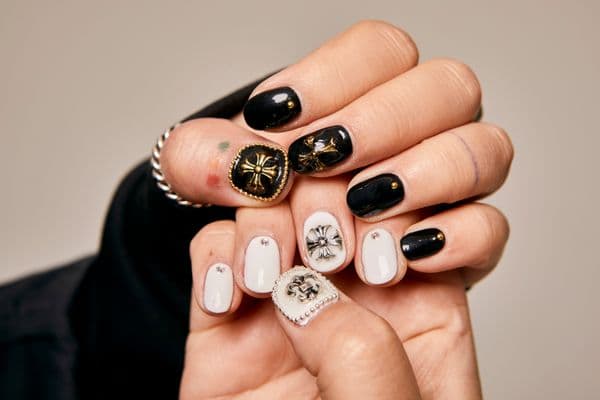
Nail art today inherits both lines. It can be a quiet symbol or an authored piece. Knowing the history does not require copying an old style, but it helps you choose with judgment. A color still communicates, and the hand that wears it decides whether that message is soft, festive, or deliberately visible.